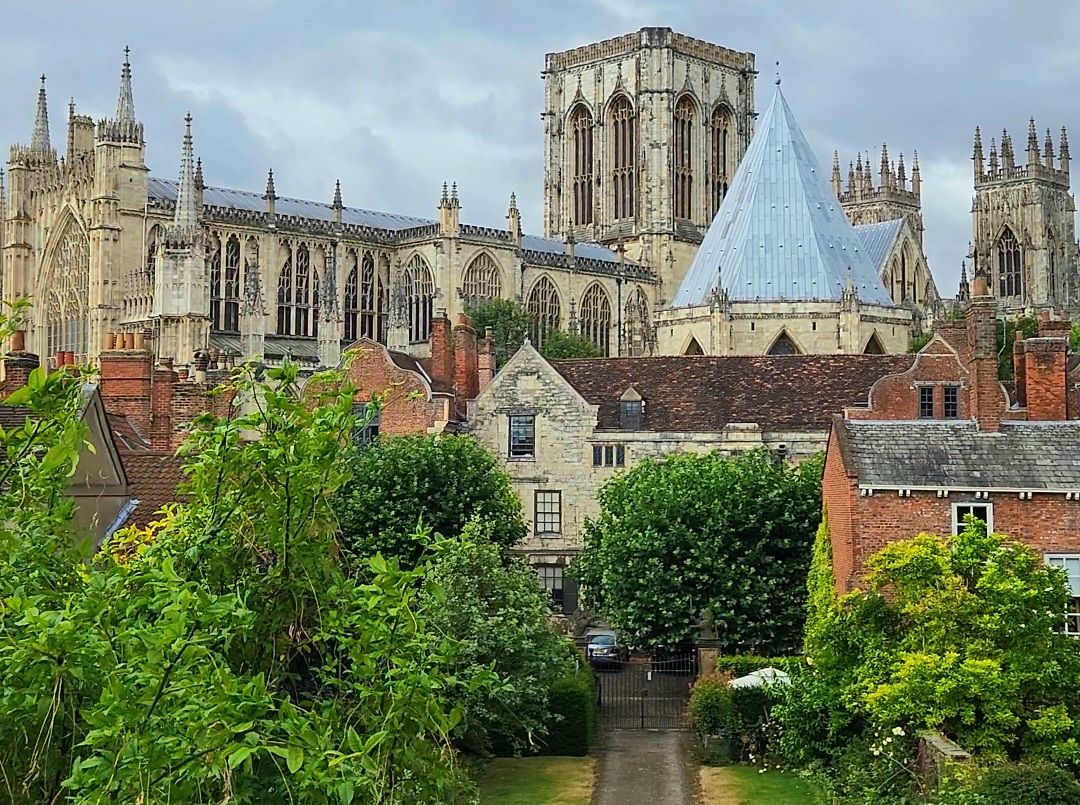
Exploring York: Medieval Majesty and Hidden Snickelways
There’s something unforgettable about arriving in York. The sound of footsteps echoing along cobbled lanes, the golden stone of York Minster rising dramatically against the sky, and the quiet charm of centuries-old timbered buildings all combine to make this city feel like a living storybook. With Roman foundations, Viking history, and medieval streets that have barely changed in hundreds of years, York is one of England’s most captivating destinations.
In this York England travel guide, I share the places, stories, and hidden details that made visiting this historic city such an unforgettable experience for me.
For years, York lived quietly in my imagination — a medieval city of stone walls, Viking legends, and towering Gothic architecture. Visiting had long been a dream of mine, and when I finally arrived, it felt both surreal and deeply familiar at the same time.
As someone who has always been drawn to history — especially the Viking Age — walking through York felt like stepping into a living timeline. From tracing the ancient city walls to standing beneath the breathtaking arches of York Minster, every corner of the city felt meaningful. The architecture, the stories, the atmosphere — day and night — completely captured me.
York is not just beautiful; it is immersive. Its Roman foundations, powerful Viking past, and perfectly preserved medieval streets create a city that feels layered and alive. Whether wandering through the narrow timbered lanes of The Shambles at dusk or looking out across rooftops toward the Minster, the experience lingers long after you leave. During my visit, I found myself slowing down without even realizing it — pausing beneath Gothic arches, tracing the curve of the ancient walls, and watching evening lights begin to glow. York isn’t just a place you see — it’s a place you feel.
If you’re looking for the best things to do in York, England, this guide blends history, hidden gems, and practical tips to help you plan your visit.
History Of York
To truly understand York, you have to begin at the very beginning. Long before medieval towers defined the skyline and Viking traders filled its markets, this city stood as a powerful Roman stronghold at the edge of the empire.
Roman Foundations: The Beginning of York
York’s story begins nearly 2,000 years ago when the Romans founded the city of Eboracum in AD 71. What started as a military fortress grew into one of the most important Roman settlements in Britain, even serving as an imperial capital. Today, fragments of Roman walls and archaeological remains still lie beneath the streets, quietly anchoring the city in antiquity.
Walking along sections of the city walls, you are tracing the outline of Roman engineering — a reminder that York’s history is built upon foundations laid long before the medieval skyline took shape.
What struck me most while walking along sections of the ancient walls was the realization that beneath the charming medieval façades lies something far older. York’s Roman foundations are not just history — they are the very base upon which the city was built. The layers are literal here. You can feel it.
The Viking Age: Jórvík
Centuries later, the city entered one of its most fascinating chapters when Norse warriors captured it in 866 AD and renamed it Jórvík. Under Viking rule, York became a thriving center of trade, craftsmanship, and cultural exchange.

As someone deeply drawn to the Viking Age, this part of York felt especially meaningful to me. Knowing that Scandinavian settlers once shaped this city — that Old Norse was spoken here, that markets once buzzed with traders from across the North Sea — made the experience unforgettable. York’s Norse past comes vividly to life at the JORVIK Viking Centre, where you can step into a reconstructed Viking settlement and experience what daily life may have looked like more than a thousand years ago.
This wasn’t just a chapter in a book for me. It felt alive.
Medieval York
If the Romans laid the foundations and the Vikings reshaped the city, the medieval era gave York the character it proudly wears today. The soaring Gothic presence of York Minster dominates the skyline — an architectural masterpiece that took more than 250 years to complete.

Walking through York feels like walking through a preserved moment in time. Timber-framed buildings lean slightly over cobbled streets, stone gateways mark ancient entrances, and the historic city walls still encircle the heart of it all. Nowhere is this atmosphere stronger than along The Shambles, where narrow passageways and overhanging upper stories create one of the most iconic medieval streetscapes in England.
The Shambles: York’s Most Famous Medieval Street

It’s impossible to talk about York without mentioning The Shambles — that impossibly narrow, leaning street that feels frozen in time.
If you tell someone their room is a “shambles,” you mean it’s a mess. But the name actually comes from the Anglo-Saxon word Fleshammels, meaning “flesh shelves.” This was once York’s main butcher district.
Standing there, I couldn’t stop looking up. The timber-framed buildings lean so far inward they almost touch. While some say it was to gain extra space without paying more tax, it also served a practical purpose — the overhanging upper floors kept the street in permanent shade, acting like a medieval refrigerator for the raw meat that once hung outside.

And if you glance down, you’ll notice the pavement dips in the center. Twice a week, butchers washed blood and offal from their shops into that channel. Not exactly the magical atmosphere visitors imagine today.
But tucked among the crowds is something quieter. At No. 35, a small shrine honors Margaret Clitherow, a butcher’s wife executed in 1586 for hiding Catholic priests. It’s a powerful reminder that beneath the charm and crowds, The Shambles carries centuries of layered history.
From Ancient Streets to Modern Magic
What I love most about York is that its story doesn’t end in the past. Its medieval streets continue to inspire imagination today. Fans of Harry Potter often notice the resemblance between The Shambles and the fictional Diagon Alley — and once you walk through it, it’s easy to see why.
With its crooked façades, narrow alleyways, and whimsical shopfronts, York bridges ancient history and modern storytelling in a way that feels seamless. Whether you come for Roman ruins, Viking legends, Gothic architecture, or a touch of magical nostalgia, York offers something deeply immersive.

Day or night, York’s medieval soul is unmistakable..
Hidden Secrets
Whip-Ma-Whop-Ma-Gate: The Shortest Street with the Longest Name

Just when you think York can’t surprise you anymore, you turn a corner and find Whip-Ma-Whop-Ma-Gate.
With one of the longest street names in England, it is ironically one of the shortest streets in the city — stretching only about 35 meters. If you blink, you might miss it entirely.
The name dates back centuries and is believed to loosely mean “neither one thing nor the other,” a fitting description for a street that feels more like a narrow connector than a proper road. In medieval times, it was simply a small passageway linking larger streets — practical, unassuming, and easy to overlook.
I remember pausing there, amused by the sign, thinking about how a city so rich in grand cathedrals and dramatic history still makes room for small, playful details like this.


It’s moments like these that make wandering York so rewarding. Between towering landmarks like York Minster and atmospheric lanes like The Shambles, there are tiny surprises waiting for those who slow down
Top Things to Do in York
York may feel compact, but it is layered with experiences that reveal its history from every angle.
Visit York Minster
Standing beneath its towering Gothic arches is unforgettable. Take time to explore inside, climb the central tower if you can, and step outside to admire it from different angles throughout the day — the light transforms it completely.
Walk the Historic City Walls
Encircling the heart of York, the medieval walls offer panoramic views over rooftops and streets below. Walking them gives you a sense of the city’s scale and defensive past.
Explore The Shambles
One of the best-preserved medieval streets in England, The Shambles is especially atmospheric in the early morning or evening when the crowds thin and the lanterns begin to glow.
Discover Viking York at the JORVIK Viking Centre
For anyone fascinated by Norse history, this is a must. It brings the Viking era to life in a vivid and immersive way.
Climb Clifford’s Tower
For sweeping views and a deeper look into York’s medieval history, this landmark offers both perspective and powerful stories from the past.
Whip-Ma-Whop-Ma-Gate The street with the best name in the UK (and arguably the shortest length)! It’s tucked right at the end of The Shambles, and honestly, if you blink while walking toward Pavement, you’ll miss it entirely.
York Castle Museum famous Victorian street inside an immersive old-world museum
National Railway Museum free & huge collection of locomotives, including Flying Scotsman
York’s Chocolate Story interactive history of Rowntree’s and Terry’s in York


How Many Days Do You Need in York?
York may look like a small city on the map, but once you arrive, you quickly realize there is far more to explore than you might expect. Between the layers of Roman, Viking, and medieval history, the museums, historic pubs, and charming cobbled streets, it’s a destination that rewards travelers who take their time.
During my own visit, I spent three nights in York, which gave me enough time to explore many of the city’s highlights — walking the ancient walls, visiting the magnificent York Minster, wandering through The Shambles, and discovering hidden corners of the historic center. But if I’m being honest, I could have easily stayed another day or two.
York is the kind of place that invites you to slow down. Evenings bring a completely different atmosphere as the crowds thin, the historic streets glow under warm lights, and the city’s centuries-old pubs begin to feel even more atmospheric.
If your schedule allows it, three to four days is an ideal amount of time to fully experience York without rushing. That extra time allows you to explore beyond the main sights, enjoy the historic pubs and restaurants, and truly absorb the city’s remarkable history.
Best Time to Visit York
York is a city that feels magical in every season, but the experience can change quite a bit depending on when you visit. During my own trip, I found that simply walking the cobbled streets and historic lanes was part of the charm, so choosing the right time of year can make the experience even more enjoyable.
Summer (June–August) is one of the most popular times to visit York. The weather is usually mild, outdoor cafés fill the streets, and the city comes alive with festivals and visitors exploring historic sites like York Minster. It’s a wonderful time to walk the ancient walls and explore the narrow medieval streets, though it can also be the busiest season.
Spring and early autumn are often considered the sweet spot for travelers. The crowds are smaller, the weather is still pleasant for walking, and the historic atmosphere of the city feels a little more relaxed. For visitors who want to explore places like The Shambles without the largest crowds, these months can be ideal.
Winter brings a completely different charm. York’s medieval streets and historic pubs feel especially cozy during the colder months, and the city becomes particularly magical during the Christmas season when festive markets and lights fill the historic center.
No matter the season, York is a city best experienced slowly — wandering its ancient streets, discovering hidden corners, and letting the layers of history reveal themselves along the way.
Where to Stay in York

Staying within or near the historic center allows you to fully immerse yourself in the experience. Being able to walk everywhere — from the Minster to The Shambles to the city walls — makes a noticeable difference.
York offers everything from charming boutique hotels in historic buildings to modern accommodations just outside the walls. Choosing somewhere central allows you to experience the city at quieter moments, early in the morning or late in the evening, when it feels most magical.
Where to Eat in York
York’s pubs and restaurants are more than places to eat — they are part of the city’s living history. Many are housed in centuries-old buildings, where wooden beams, uneven floors, and stone walls create an atmosphere that feels deeply connected to the past.
The Guy Fawkes Inn

Located beside York Minster and believed to be the birthplace of Guy Fawkes, this historic inn completely immersed me in the atmosphere of medieval York. The moment I stepped inside, it felt like entering another era — dark wood interiors, antique décor, and softly lit spaces that seem untouched by time.
One detail that especially stood out to me was an aged mirror inside the inn, its patina hinting at decades — perhaps centuries — of quiet observation. Sitting near a window that framed a direct view of York Minster made the experience even more surreal. Looking out at the cathedral’s towering Gothic stone from within such a historic setting felt almost like stepping back into medieval York itself.

Dining here wasn’t just about the food. It was about the atmosphere — and it’s an experience I won’t forget.
Other Historic Pubs & Restaurants in York
If you’re looking to explore more of York’s unique dining scene, these historic spots are worth adding to your list:
- Ye Olde Starre Inne – Often described as York’s oldest pub, dating back to 1644, with strong Civil War connections and classic British pub fare.
- The House of Trembling Madness – A quirky and unforgettable spot set inside a medieval timber-framed building, known for its extensive craft beer selection and cozy upstairs dining space.
- The Golden Fleece – A 16th-century pub famous for its dramatic leaning façade and reputation as one of York’s most haunted buildings.
- Bettys Café Tea Rooms – An iconic York institution offering traditional afternoon tea in elegant, historic surroundings.
- The Shambles Tavern – A relaxed craft beer pub near The Shambles, perfect for a casual stop after exploring the medieval lanes.
- The Fat Badger – A stylish gastropub near the Minster, offering elevated British cuisine in a charming historic setting.
Practical Tips for Visiting York
York is incredibly walkable, and that’s part of its charm — but it’s important to come prep
Wear Comfortable Walking Shoes
York’s historic streets are beautiful, but they are also lined with uneven cobblestones. If you plan to explore the medieval lanes, walk the city walls, or climb towers like York Minster, comfortable walking shoes are essential.
I quickly realized that York is best experienced on foot. From wandering through The Shambles to walking sections of the ancient Roman and medieval walls, you’ll be covering more ground than you think
Book Tickets in Advance
York is a popular destination year-round, especially during spring, summer, and the holiday season. If you’re planning to visit major attractions like York Minster or the JORVIK Viking Centre, it’s wise to purchase tickets in advance to avoid long queues.
This is particularly important during peak travel months when the city sees an increase in visitors.
Getting Around
The historic center of York is compact and easy to navigate on foot. Many of the main attractions are within walking distance of one another, which makes exploring enjoyable and efficient.
If you’re staying outside the old town area, ride-share services are readily available and convenient for returning to your hotel after a long day of walking — something I personally appreciated after hours of exploring.
Plan for Both Day and Evening
York feels different depending on the time of day. The city is lively and vibrant during daylight hours, but in the evening, the atmosphere shifts. Lantern-lit streets and quieter lanes create a more intimate and cinematic experience.
If your schedule allows, experience York both during the day and after dusk — it truly feels like two different cities.
Insider Tip:
The Hidden “Mouseman” Mice of York
If you really want to experience York beyond the obvious landmarks, there’s one small detail most visitors completely miss…
This is one of my favorite details I learned while on a local guided tour in York — and it completely changed the way I look at carved woodwork.
Right beside York Minster, at the gate of St William’s College, you’ll find heavy, iron-studded wooden doors. Look closely. Hidden within the carved panels are two tiny mice.
They were created by Robert Thompson, a master craftsman from Kilburn, North Yorkshire, better known as the legendary “Mouseman.” In 1919, after someone joked that he and a fellow carver were “as poor as church mice,” Thompson carved a small mouse into his work — and it became his signature for life.
Here’s your challenge: find both mice on the doors. One is beautifully detailed, complete with delicate whiskers and a curled tail, carved entirely from solid English oak. The other, sadly, has been partially damaged over the years by souvenir hunters — a reminder of how collectible Mouseman pieces have become.
And once you’ve spotted them? Keep looking.


York is full of these tiny signatures if you know where to search. Inside York Minster, several more are hidden among wooden screens and pews. There’s even one tucked onto the organ case at All Saints’ Church, Pavement, and a Mouseman bench near the entrance of York railway station.
What started as a small joke over a century ago has turned into a citywide treasure hunt.
Final Reflection
York was more than just another stop on my journey through England — it was a dream realized. From its Roman foundations to its Viking strength, from the soaring grandeur of York Minster to the lantern-lit charm of The Shambles, the city feels layered, immersive, and deeply alive.
After the literary elegance of Stratford-upon-Avon, arriving in York felt like stepping even further back in time — into a place where history isn’t simply remembered, but felt beneath your feet.
If you’re planning a visit to England and are drawn to cities rich in story, architecture, and atmosphere, York deserves a place at the top of your list. Take your time here. Walk the walls. Step inside the Minster. Wander the narrow streets after dusk.
Let the city unfold the way it did for me.
If you’re exploring more of the United Kingdom, you may also enjoy my complete UK travel guide.